



Support at HomeClassification 2 Explained
The Australian Government’s Support at Home program offers tailored assistance to help older Australians live safely and independently in their own homes. Support at Home at level 2 is designed for individuals with low-level care needs who require more support than the entry-level classification provides. Understanding what this classification offers is a key step in securing the right services to maintain your comfort and wellbeing at home.
At Homecare My Way, we are committed to providing clear, helpful guidance as you navigate the aged care system. We specialise in helping you create personalised care plans that put you in control.

What is Support at Home Classification 2?
Support at Home classification 2 is a funding classification for individuals who have low-level care needs. It provides a larger quarterly budget than classification 1, allowing for more frequent access to services needed. This classification is suitable for those who are still largely independent but require regular assistance with several daily activities to maintain their health, safety and community connections.
On 1 November 2025, the Australian Government transitioned to Support at Home, expanding from four levels to eight classifications to better match funding to individual needs.
What Is Included in a Level 2 Support at Home Funding?
While Support at Home Classification 2 is often compared to what is included in a Level 2 Home Care Package, the structure and delivery of funding are different under the new system. Support at Home classification 2 budget gives you access to a wide array of services to enhance your independence and quality of life. Your personalised care plan will be built around your specific needs, ensuring the support you receive is meaningful and effective.
Common in-home care services available under classification 2 include:
Domestic assistance
Regular help with household chores like cleaning, laundry and shopping to keep your home running smoothly.
Personal Care
More frequent assistance with daily self-care routines such as showering, dressing and grooming.
Social Support and Companionship
Support to attend community activities, visit friends or simply have a companion for a chat at home.
Home and Garden Maintenance
Support for tasks like lawn mowing, gardening or minor home repairs to ensure your environment is safe and well-kept.

Who is Eligible for Support at Home Classification 2?
Eligibility for any Support at Home classification is managed by the government. A trained assessor will visit you to discuss your circumstances, health and personal goals. This person-centred evaluation ensures the support you receive is appropriate for your needs.
You may be eligible for a Support at Home Classification 2 if the assessment finds that you:
 Have needs that are slightly more complex than basic requirements.
Need regular support with a few different aspects of daily living.
Wish to continue living in your own home but require help to do so safely.
Wish to continue living in your own home but require help to do so safely.
Following the assessment, if you are approved for Classification 2, you will be allocated a quarterly budget.
How Much Funding Does Classification 2 Provide?
Support at Home Classification 2 provides a higher quarterly budget than Classification 1, reflecting the more regular support needs at this level. The exact amount is set by the government and reviewed periodically, so the figure you receive will always reflect the most current funding rate.
 Do I Have to Contribute to My Support at Home Services?
You may be asked to contribute to the cost of your services, depending on your type of support and financial situation. Government funding typically covers the majority of expenses, while your own contribution helps ensure continued access to these vital supports. Contributions are based on both the service type (clinical support, independence services or everyday living services) and your income and assets.
For more information about the contribution process and to understand how much you may need to pay, please visit our pricing page.
This funding is yours to use on approved care and services that align with your care plan.
Find out more about the benefits of self-managing
Download our free info kit

How Classification 2 Compares to Other Levels
Classification 2 offers more funding and more regular support than Classification 1, while higher classifications from 3 onwards are designed for people with greater or more complex care needs.
Here’s a quick overview of all eight classifications:
Classification 1
Entry-level support for basic needs.
Classification 2
Low-level support with more regular assistance.
Classification 3
Moderate support for growing day-to-day needs.
Classification 4
Intermediate support for more consistent care requirements.
Classification 5
Higher level support for complex or frequent needs.
Classification 6
Substantial support for significant care needs.
Classification 7
High-level support for extensive, ongoing care.
Classification 8
The highest level of support for the most complex care needs.
If your needs have changed since your last assessment, you can request a reassessment at any time.
Benefits of Self-Managing Your Support at Home Funding
The Support at Home program empowers you with the choice to self-manage your funding. At Homecare My Way, we are specialists in self-management, and we help our clients unlock significant advantages from this model.
1 Greater Choice and Control
Self-management places you firmly in the driver’s seat of your own care. You are empowered to choose the services you want, the support workers you prefer and the schedule that fits your life. This level of control allows for a truly personalised care
2 More Value from Your Budget
Self-managing your funding can significantly increase the amount of care you receive. Many traditional providers charge higher fees, which may limit the number of care hours you receive. When you self-manage with Homecare My Way, you can choose your own carers at rates that suit your budget. This efficiency means more hours of support and greater flexibility to access the services you need.
3 Flexibility to Meet Your Needs
Your needs can change, and your support should be able to change with them. Self-management provides the agility to adapt your services quickly and easily. Whether you need to reschedule an appointment, engage a new type of service or change your support worker, you can make decisions without the delays common with traditional providers. This ensures your care is always relevant to your current needs.
How Homecare My Way Can Help
Navigating government-funded aged care can feel overwhelming, but you are not on your own. Homecare My Way is here to provide the support and expertise you need to make the most of your Support at Home classification 2 funding. We are dedicated to empowering you to live the life you choose.
Here is how we can assist you:
Understanding Your Plan
We will help you make sense of your Level 2 classification, your quarterly budget and the full range of services available to you.
Creating a Personalised Care Plan
We partner with you to design a care plan that aligns with your personal goals and preferences, ensuring your funding is used effectively.
Managing Your Budget
Our user-friendly online platform makes it simple to track spending, manage invoices and maintain complete oversight of your funds. We take care of the financial administration for you.
Connecting You with Support Workers
We can assist you in finding and hiring qualified, vetted support workers in your local area, giving you the final say on who delivers your care.
At Homecare My Way, our purpose is to put you in control. We provide the tools, guidance and support necessary to confidently self-manage your Support at Home classification 2 funding and continue living independently at home.
At Homecare My Way, our purpose is to put you in control. We provide the tools, guidance, and support necessary to confidently self-manage your Support at Home classification 2 funding and continue living independently at home.

self-managing
their Support at Home with us
“My care partner is such a delight — she’s always cheerful and respectful of my independence, she just knows how to help without taking over. It makes a real difference having someone who truly listens.”
Assistance with shopping, cleaning, gardening and home maintenance.
“The carers have been so professional and kind. They take the time to get to know us — it’s not just about the tasks, it’s about dignity and connection. We feel part of a team.”
Personal care, domestic assistance, gardening, Physio, social support and respite services.
“My mother’s care needs are quite complex, and the nursing and physio team have been excellent. They always communicate clearly with us and treat Mum with such respect and skill.”
Nursing, Equipment, personal care, shopping assistance, physio and Meal assistance.

Our difference

Dedicated Care Partner
Freedom to choose your carers
More Care Hours
Friendly and Responsive
Quick Payments
Everything you need to know
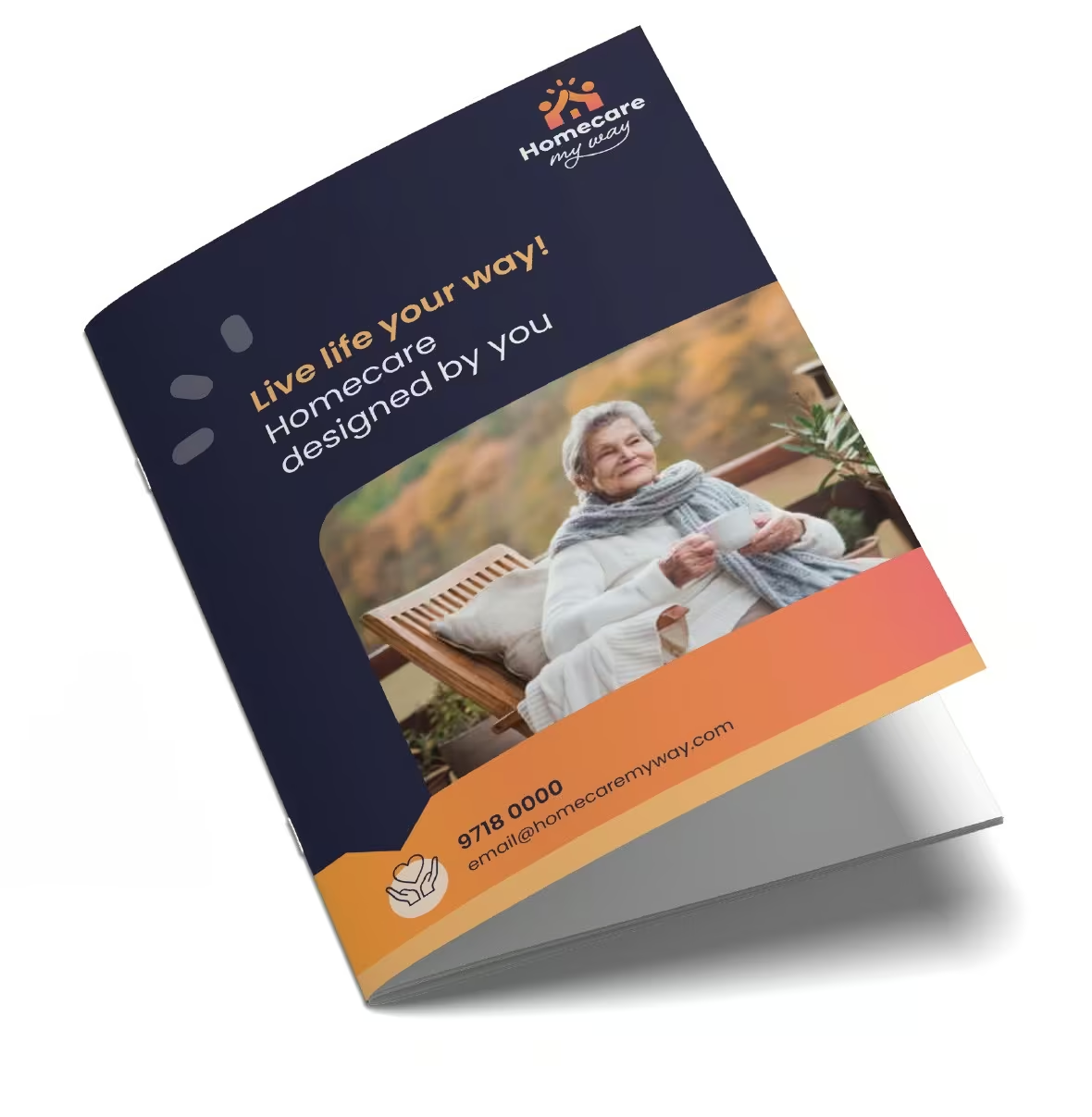
Get all the knowledge from our experts
Information Guide